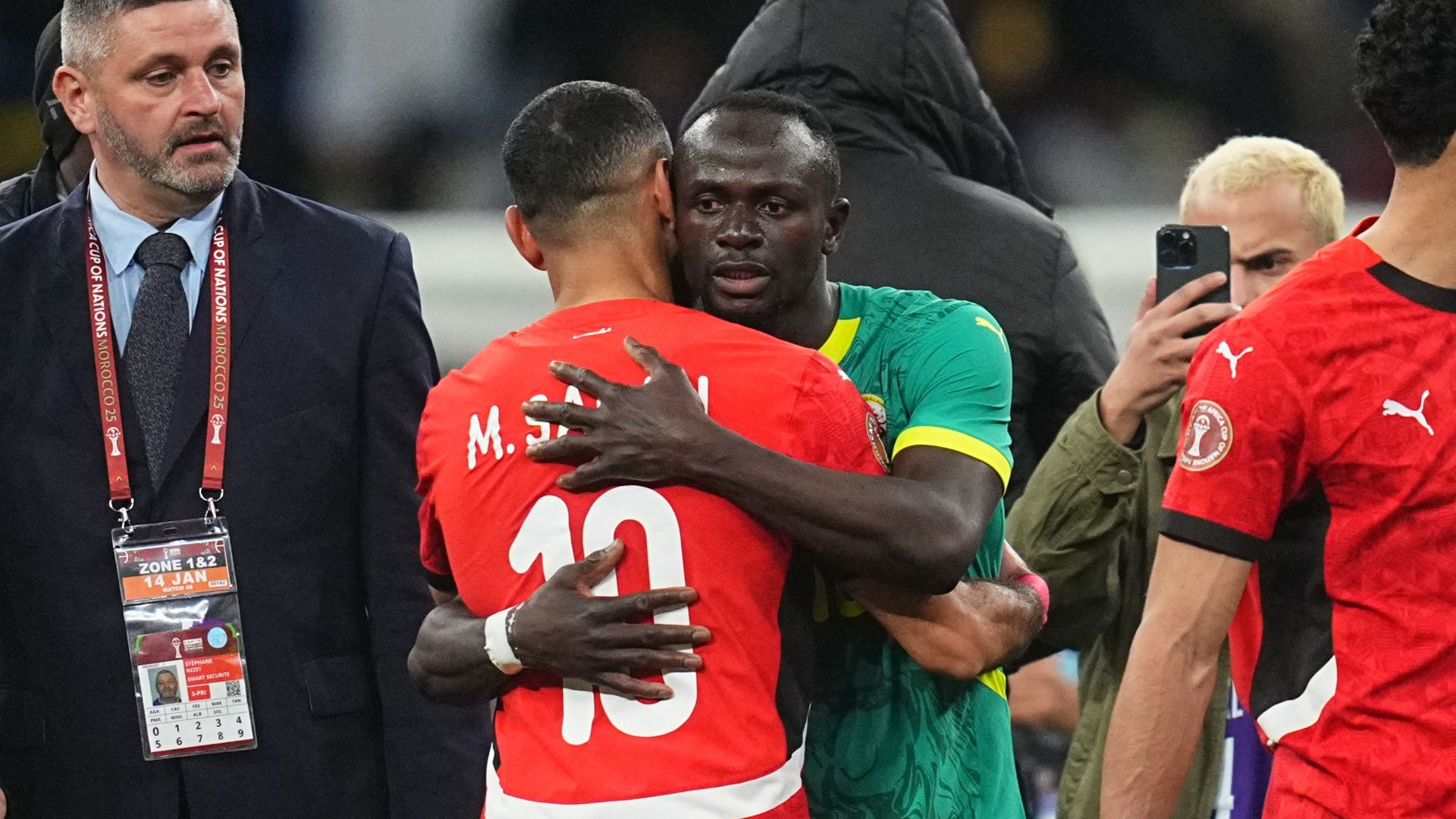
Four Takeaways From Worrying, Winless Start to Rafa Márquez Era With Mexico
Four games, two draws and two defeats: Rafael Márquez’s Mexico tenure has begun with a sharp reality check after the optimism of the 2026 World Cup.
Even after a draw against Colombia in Márquez’s debut, confidence remained high. Mexico had outplayed the South Americans for long stretches, suggesting El Tri could build on the foundation laid during the summer.
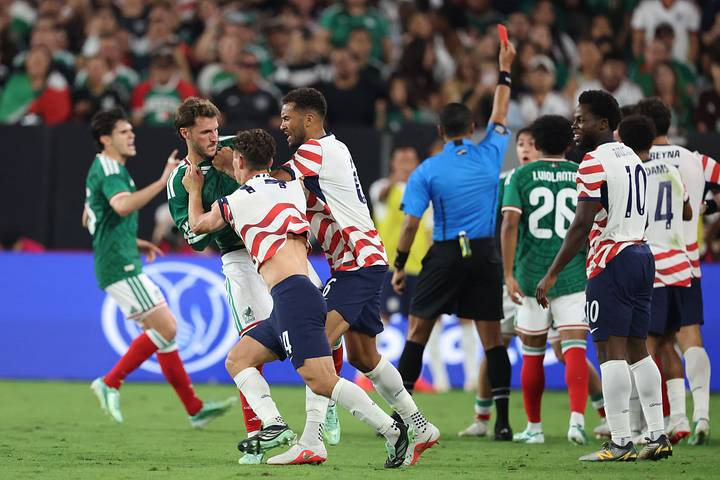
That optimism quickly faded. An unconvincing draw with Peru was followed by an embarrassing defeat against the arch-rival USMNT. Rather than responding, Mexico then lost to a Chile side it had been expected to beat.
The momentum of the World Cup disappeared in just two weeks. Márquez and his players are already under scrutiny, although four friendlies provide an early assessment rather than a final verdict.
- Matches
- 4
- Wins
- 0
- Goals scored
- 2
1. The World Cup high was never a guarantee
Mexico’s fairytale World Cup campaign, which included pushing England to the limit, demonstrated its ceiling. The September–October window suggested that level remains the exception rather than the norm.
El Tri entered 2026 on a six-game winless run stretching across the final six months of 2025. Results improved at the start of the summer, but it was not until the second half of the final group-stage match against Czechia that Javier Aguirre found the right balance.
His best XI emerged at the perfect moment. Backed by extraordinary support and the intimidating Estadio Azteca, Mexico produced two of its finest World Cup performances against Ecuador in the round of 32 and then England.
There is precedent for such a transformation. Mexico needed a playoff victory over New Zealand to reach the 2014 World Cup after a dreadful qualifying campaign, yet went on to draw with host Brazil and came within five minutes of beating the Netherlands in the round of 16.
Raising its level on the biggest stage has rarely been beyond Mexico. Sustaining that standard between tournaments has proved much harder. Márquez’s opening four matches underline how much rebuilding remains.
2. Thin depth makes getting roles right essential
Beyond home advantage, Mexico’s summer success depended heavily on the starting lineup Aguirre discovered. Remove a few pieces and the shortcomings become much easier to expose.
Against Colombia, Márquez started seven players who had begun both World Cup knockout matches, and Mexico played its best football of the fall. Three days later, an entirely different lineup could only draw with Peru.
Results in these first four friendlies were only part of the assessment. The more consequential questions concerned how Mexico operated and whether Márquez put his players in positions to succeed. On that front, there were worrying signs.
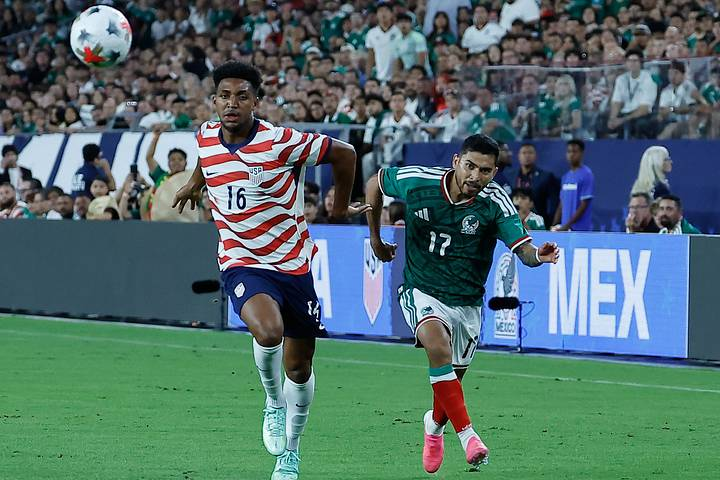
Outside of 50–60 minutes against Colombia and the opening 25 minutes against the United States, Mexico rarely resembled its World Cup version. Questionable player positioning was one of the central problems.
Orbelín Pineda has been one of Liga MX’s best organizing midfielders this season, yet Márquez used him almost exclusively as a touchline winger. Álvaro Fidalgo, who won three Liga MX titles as Club América’s version of Pedri, was mostly deployed as a No. 10.
Jeremy Márquez, Santiago Sandoval and Inter Miami’s Germán Berterame also spent significant periods away from the roles in which they are most effective.
With limited depth, Mexico cannot afford to compromise the talent it does have. Márquez must maximize his players’ strengths. The fragility of a team so dependent on a few key individuals was particularly clear at center forward.
3. There is no obvious successor to Raúl Jiménez
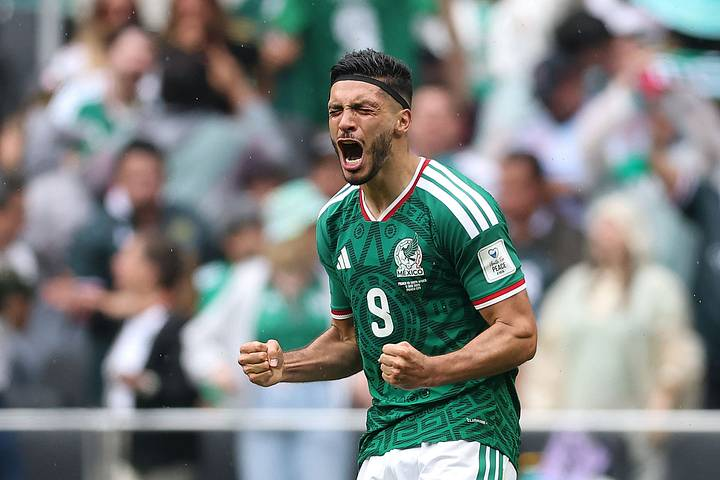
Without 35-year-old Raúl Jiménez, Mexico has a major problem up front. The Wolverhampton Wanderers striker missed the start of Márquez’s tenure through injury, and El Tri managed only two goals in four games: a brilliant solo effort by 17-year-old Gilberto Mora and a center back’s aerial finish from a set-piece.
Armando González, Santiago Giménez and Berterame each had an opportunity to impress. None took it. Mexico struggled to create chances, particularly without Mora, but its strikers also failed to convert the limited opportunities they received and offered little elsewhere.
Jiménez provides more than goals. He is an outlet who links midfield and attack, bringing other forwards into play. Giménez came closest to reproducing that contribution against the USMNT, but also wasted the two best chances any Mexico center forward had during the window.
The scoring gap
4 goals / 40 appearances
González, Giménez and Berterame combined since the start of the 2025 Gold Cup. None of those goals came in official competition.
3 goals
Jiménez’s tally at the 2026 World Cup alone.
The deeper concern is the lack of alternatives. These are Mexico’s strongest current options behind Jiménez, with no young center forward making an obvious case to displace them.
Jiménez will be 39 by the 2030 World Cup. It is difficult to envision him leading the line then, yet there is currently no clear replacement capable of matching either his all-round contribution or his output.
4. Márquez still needs time
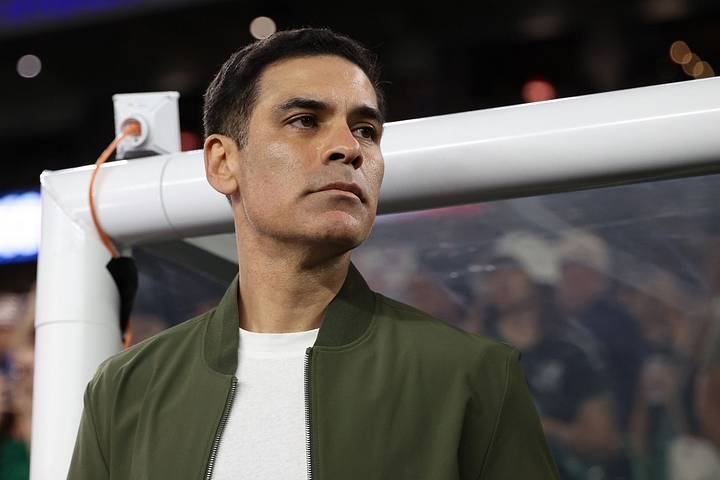
The start has been deeply disappointing, but overreacting would be a mistake. These were not only Márquez’s first four matches in charge of Mexico; they were the first four of his senior managerial career.
He was also without important players, including Jiménez, Julián Quiñones and César Montes. Mora missed the final three games of the window, removing another vital attacking influence.
Growing pains were expected, and patience remains necessary. The concerning signs are also lessons for a new manager. How Márquez responds to his own mistakes will be more revealing than the mistakes alone.
That tie brings the first official matches of Márquez’s tenure and an obligation to secure his first senior managerial victories against an opponent Mexico is expected to beat.
With a month to prepare, he should continue to receive full support. A convincing passage past Jamaica could restore confidence and help Mexico recover momentum before the end of 2026.
Defeat, however, could carry drastic consequences for Márquez, given Mexico’s recent history with managers.