Michael Carrick at Man Utd: Why It All Went So Wrong, So Quickly
Six months after being appointed Manchester United’s permanent manager, Michael Carrick has been fired. Last season’s revival delivered Champions League football; this season exposed tactical shortcomings, a porous defense and a squad built without the balance to cope.
The 45-year-old took United from seventh to third after his interim appointment last season. Yet the momentum that secured him the job quickly disappeared once the new campaign began.
An abysmal 2–0 opening defeat to newly promoted Hull City set the tone. Three-goal losses to Como and Bournemouth followed, alongside derby humiliation against 10-man Manchester City and defeats to Brighton & Hove Albion, Atlético Madrid and Chelsea.
Carrick bears significant responsibility for that collapse. But the explanation stretches beyond the dugout, taking in a flawed transfer strategy and public criticism from within his own dressing room.
The bounce faded. The tactics never evolved.
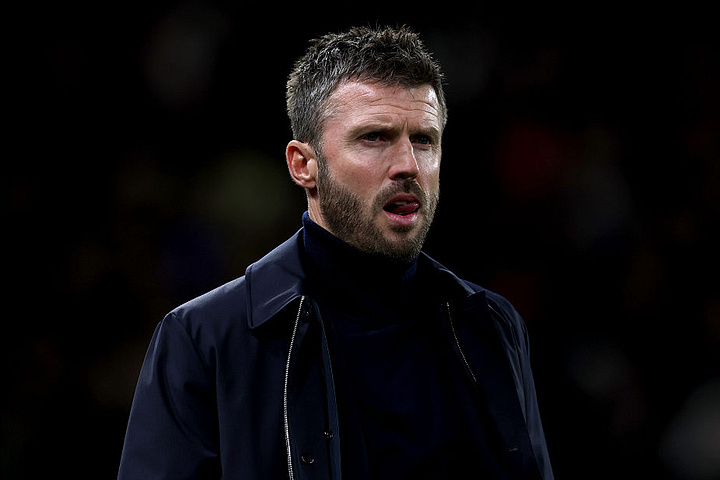
Confidence and momentum were central to United’s recovery last season. Carrick went back to basics, abandoning Ruben Amorim’s unpopular 3-4-2-1 formation, restoring Kobbie Mainoo to midfield and moving Bruno Fernandes back into the No. 10 role. Those adjustments proved transformative and quickly won the players over.
This season demanded more. With Champions League football adding to the workload, Carrick needed to develop a team capable of sustaining its progress rather than relying on the lift his appointment had provided.
His managerial record offered reasons for caution. At Middlesbrough, he took a side sitting just above the Championship relegation zone into the playoffs in his first season. Eighth- and 10th-place finishes followed, eventually leading to his dismissal. United’s trajectory carried an uncomfortable resemblance: an immediate improvement followed by regression.
That final draw underlined the problems. The midfield partnership continued to leave United exposed, Dalot’s deployment again failed to convince, and Carrick’s response from the bench came late.
From week to week, there was little evidence of improvement or significant tactical adjustment. The straightforward fixes that had worked during his interim spell no longer supplied the answers.
A defense that kept giving way
- Goals conceded this season
- 30
- Matches conceding at least twice
- 10 of 15
- Final games conceding at least twice
- 5 in a row
United’s defensive record lay at the heart of their misery. Among clubs in Europe’s top five leagues, only Lens had conceded more goals this season: 31 to United’s 30. The French side’s total included nine conceded to Como in the Champions League.
United allowed two or more goals in 10 of their 15 matches, including each of Carrick’s final five games. His inability to organize an already underwhelming backline became a defining weakness of his tenure.
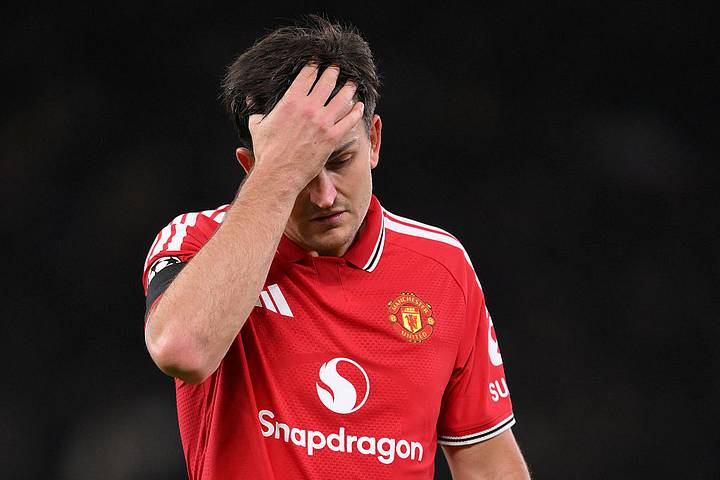
The personnel offered little reassurance. United depended heavily on Maguire, with unconvincing alternatives at center back and similarly limited options at full back. Injuries and a shortage of defensive quality complicated the task, but they did not excuse the scale of the problem.
Recruitment contributed to those limitations. Carrick still had to find a way to make the available players harder to play through, and he never did.
A midfield overhaul left the squad unbalanced
Carrick and his underperforming players must accept their share of responsibility. So must the recruitment team that assembled a lopsided squad without sufficient resources for domestic and European competition.
After rebuilding the forward line and strengthening in goal in 2025, United concentrated their summer spending on midfield. The approach amounted to repairing the team one department at a time, leaving other pressing weaknesses unresolved.
Another left back and center back were needed, alongside reinforcement on the left wing and/or a backup striker. Instead, the funds went into the engine room.
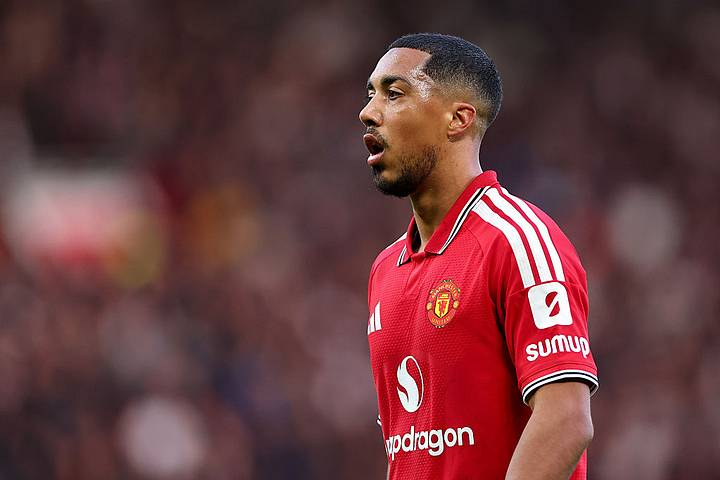
Midfield certainly required attention, particularly with Casemiro leaving. Yet the overhaul neither addressed the gaps elsewhere nor produced an immediate improvement from the new arrivals.
The new arrivals’ difficulties
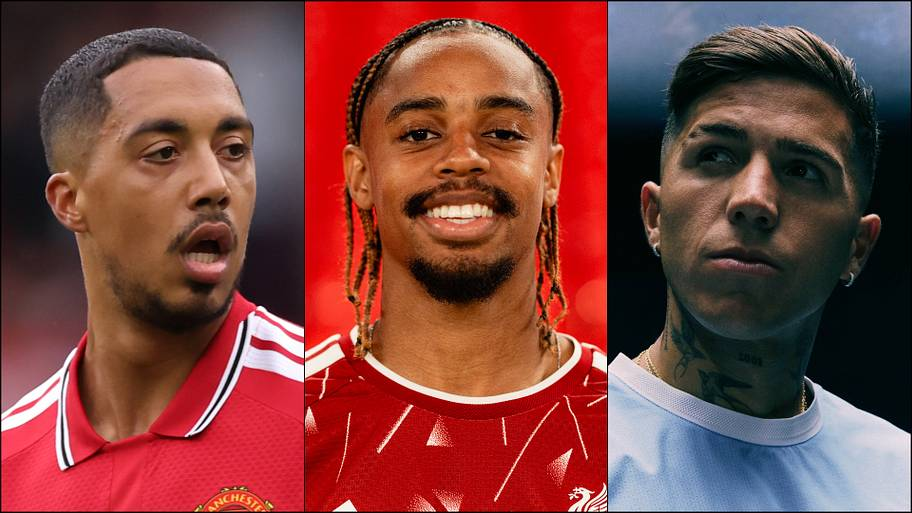
- Youri Tielemans
- Initially celebrated as an excellent, opportunistic signing, he struggled with the increased demands out of possession.
- Andrey Santos
- He had yet to find his feet.
- Carlos Baleba
- Injury problems further complicated United’s midfield rebuild.
Carrick had grounds to feel let down by the quality and depth at his disposal. Even so, falling to 18th in the Premier League remained unacceptable, whatever the shortcomings of United’s recruitment.
When the criticism came from inside
The longstanding dispute between supporters and the ownership group continued in the background. More damaging to Carrick, however, were the public outbursts from members of his own team.
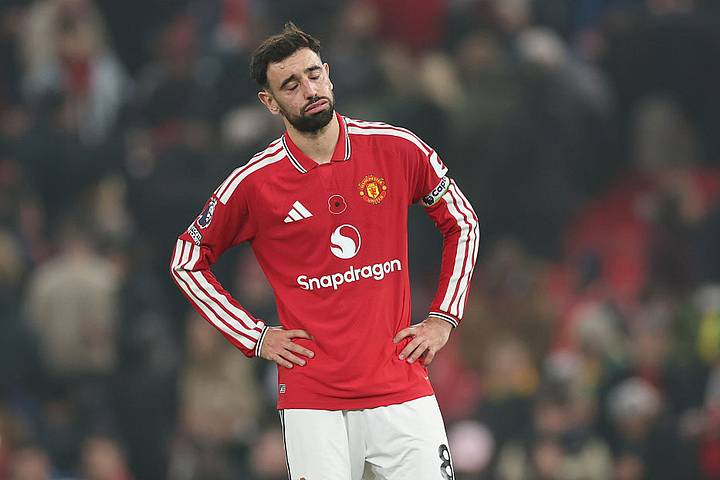
Lisandro Martínez criticized technical director Jason Wilcox over United’s recruitment. The complaint carried an irony given the club’s own costly move for the Argentine from Ajax in 2022. Then captain Fernandes challenged the tactical approach after the 4–1 defeat to Como.
“It’s a decision from the staff to not press man-to-man and sometimes leave a little space in behind and try to get the ball in the first moment, to wait for them, to give them the ball,” Fernandes said.
“But sometimes when you give too much the ball to these teams they get confident, they have so many bodies behind the ball that make you run a lot, make people get frustrated, and then obviously when you recover the ball the legs are, and the brain, much more difficult to make it work.”
Asked whether United’s tactics had contributed to the defeat, Fernandes made his position even clearer:
“That’s on the manager and on the staff to see it, it’s not on me.”
The 32-year-old was dropped for the subsequent 3–0 defeat to Bournemouth. Clear-the-air talks with Carrick led to his return, but the public challenge to the manager’s authority had already done its damage.
Fernandes’s criticism suggested the doubts about Carrick’s tactical capabilities were no longer confined to observers outside the club. They had reached his own players. For a manager already struggling to stop the defeats and repair the defense, that loss of confidence left little room for recovery.