The Numbers Behind Michael Carrick’s Failed Man Utd Reign
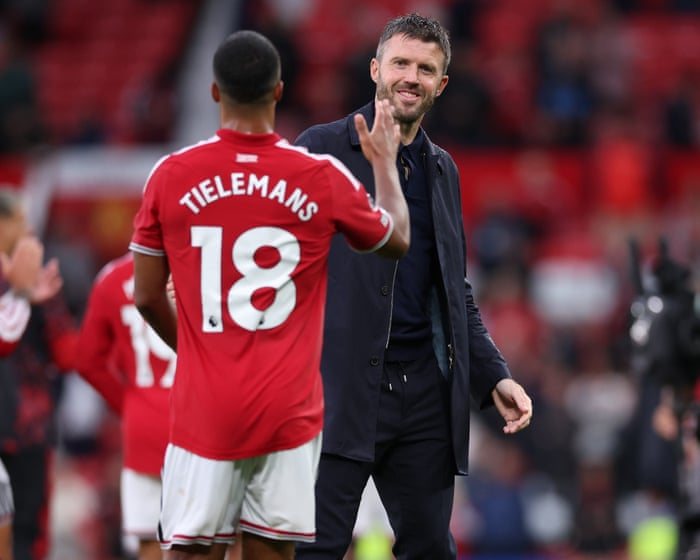
Michael Carrick took Manchester United back into the Champions League with a third-place finish. Months later, he leaves during the November international break with the club in the relegation zone.
Premier League · Manchester United · 2026–27
Another wave of optimism at Old Trafford has given way to a familiar managerial reset. Carrick, handed a two-year contract in May after transforming United’s fortunes in the second half of last season, has become the latest manager to fall since Sir Alex Ferguson retired in 2013.
INEOS are already preparing to make their third permanent managerial appointment since arriving as minority owners in late 2023. For those who question whether sustained progress is possible under the Glazers and INEOS, Carrick’s departure offers another chapter in the same frustrating cycle.
A reign in numbers
32
Matches managed
15
Wins
8
Draws
9
Defeats
- Goals scored / conceded
- 57 / 48
- Overall win rate
- 46.9%
Carrick’s Manchester United record in 2026.
Carrick succeeded Ruben Amorim in January 2026, returning to a role he had briefly occupied on an interim basis in 2021. That earlier spell brought two victories and a draw before Ralf Rangnick took over and the momentum faded.
Initially appointed until the end of the 2025–26 season, Carrick made a compelling case for the permanent job. United won 12 of their 17 league matches under him, and no Premier League team collected more points from the moment he took charge until the end of the campaign.
United’s official website celebrated his impact and declared the club was “now looking forward to a big summer.” With Champions League football returning and expectations rising, the next campaign was always going to place greater demands on both manager and squad.
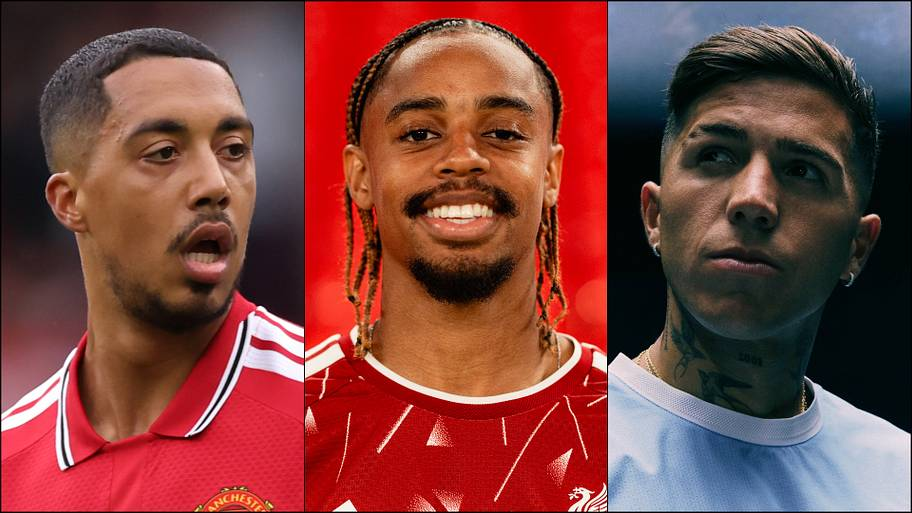
After Casemiro’s departure, United rebuilt the midfield by signing Youri Tielemans, Andrey Santos and Carlos Baleba for a combined $203 million. That represented relatively efficient business compared with the spending of Manchester City and Tottenham Hotspur on their own midfield rebuilds, but other areas remained untouched.
The resulting lack of depth, injuries to important players and Carrick’s difficulties establishing tactical balance with his new signings helped turn an outstanding early record into a disappointing overall return.
The warning signs behind the fast start
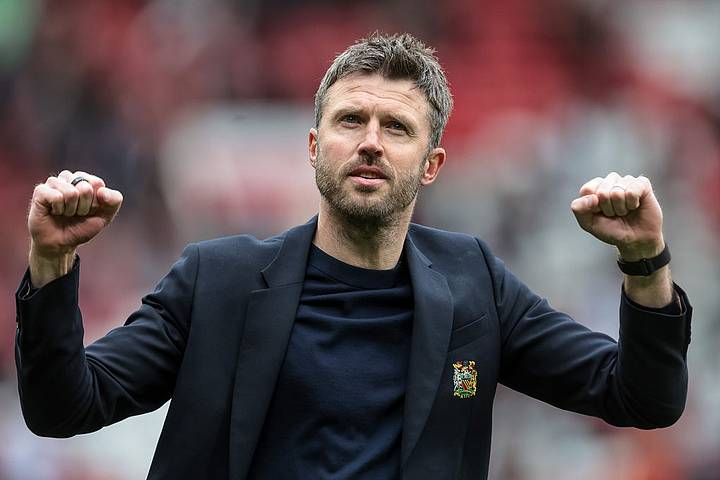
The collapse has strengthened the argument that Carrick’s initial success was difficult to sustain. Beneath the league-leading points haul, the underlying numbers suggested United were getting considerably more from their performances than could reasonably be expected to continue.
According to Opta data reported by The Guardian, United collected 12.7 points more than expected under Opta’s models after Carrick arrived last season. Manchester City were the next-highest overperformers, at 5.1 points.
Points above Opta’s expectation
- Manchester United
- +12.7
- Manchester City
- +5.1
Last season, following Carrick’s appointment. Opta data, as reported by The Guardian.
Eight of United’s 12 league victories under Carrick last season came by a single goal. Only Napoli, with nine, recorded more one-goal wins across Europe’s top five leagues during that period.
Narrow victories can reflect control as well as good fortune. But United did not display the same security and stability as Premier League champions Arsenal, whose own succession of 1–0 wins has kept them pursuing another title. Without building on Carrick’s early success, United remained vulnerable to those fine margins turning against them.
A historic slide into relegation trouble
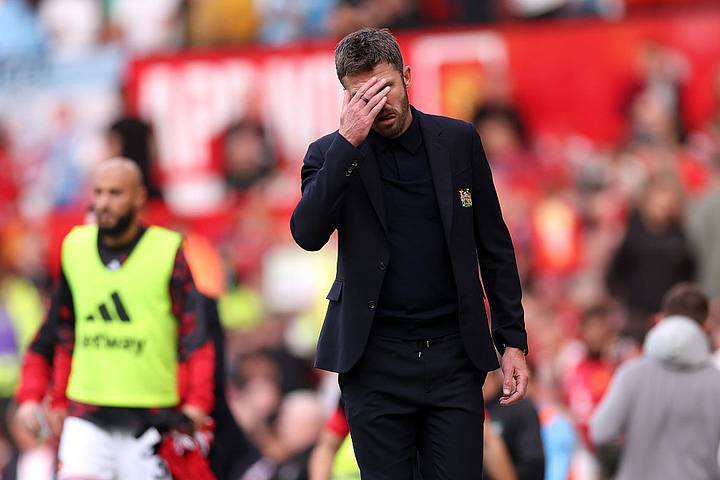
A point salvaged against Aston Villa on Sunday could not prevent another grim milestone. United are in the relegation zone with at least 10 league matches played for the first time since 1986–87, the season in which Ron Atkinson was dismissed and Ferguson arrived.
Carrick managed just one league victory in 10 matches this season. United became the first team since Arsenal in 1953–54 to record so few wins in their opening 10 league games after finishing in the top three the previous season.
Successive summers brought investment in the attack and midfield, while the defense was left largely unchanged. Personnel alone do not explain the decline, but the underperformance of previously important figures, including Lisandro Martínez, has contributed.
30
Goals conceded in all competitions this season—the joint-highest total among clubs in Europe’s top five leagues.
For supporters accustomed to successive lows, the concern now extends beyond another failed managerial appointment. Tottenham’s narrow escape last season offered a reminder that even the Premier League’s financial heavyweights can find themselves in serious danger.
Opta’s supercomputer has not yet embraced the prospect of United going down, but plenty of supporters fear Championship football next season. Carrick’s successor inherits a club confronting the possibility that its stature offers no protection from relegation.