Four Changes Mauricio Pochettino Could Immediately Make for Man Utd Debut
Mauricio Pochettino’s Manchester United reign begins with an immediate challenge: Liverpool at Anfield. With little preparation time, his first decisions could demand pragmatism as much as ambition.
Premier League · Tactical analysis · Potential changes
After a decade of intermittent interest, Manchester United have turned to Pochettino following Michael Carrick’s departure. The club had opportunities to appoint the Argentine at four previous junctures; his arrival in 2026 brings both excitement about his football and questions over whether his best work is behind him.
Carrick’s prolonged uncertainty and eventual exit have also drawn criticism, particularly given his contribution as a player during Sir Alex Ferguson’s most successful years. Changing United’s culture will require a longer process involving the hierarchy, rather than another managerial appointment alone.
Pochettino’s immediate task is more specific. With the USMNT’s Concacaf Nations League quarterfinal against Haiti still to oversee, he will have only a few days to prepare United for their trip to Merseyside. These are four changes he could consider for his debut.
1. Give the left flank a specialist
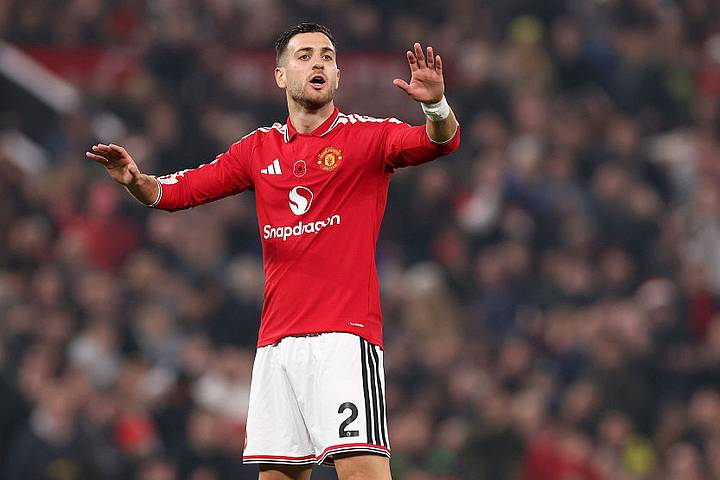
Diogo Dalot has made 260 appearances for Manchester United. His effort and willingness to adapt are difficult to question, but his versatility has not resolved the uncertainty over where he offers the most value.
Toward the end of Carrick’s reign, Shaw’s absence left Dalot operating high and wide on the left, where he was exposed to counterattacks. He conceded a penalty against Aston Villa in United’s last outing and was harshly booed when substituted midway through the second half.
Pochettino may still find a useful role for him, potentially moving him infield from a wide starting position. The immediate argument, though, is for clearer responsibilities rather than asking a utility player to solve every problem.
If Shaw is not ready to return, Patrick Dorgu should be considered at left back. As United’s fullback options recover, Dalot could benefit from a more defined role.
2. Trust Shea Lacey
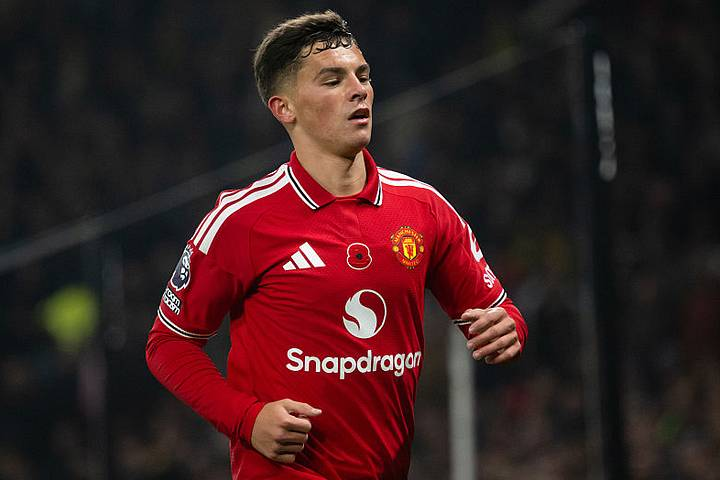
Pochettino has repeatedly put his faith in young players. Shaw benefited at Southampton, a youthful Tottenham side flourished under him, and his work with the USMNT has encouraged talents including Cavan Sullivan and Julian Hall.
That instinct fits United’s academy tradition, from the Class of ’92 to Kobbie Mainoo. Shea Lacey could be the next player to benefit.
Lacey has largely been restricted to cameos in recent weeks, but helped change the direction of Carrick’s penultimate match against Roma. He is a technically gifted creator whose ability to evade defenders offers something beyond physical power.
His strong form for England’s under-20s during the international break strengthens the case for a bigger role. Starting him at Anfield would be a bold decision, but his recent impact gives Pochettino a reason to consider it.
The young players’ energy could also help translate the Argentine’s demanding style onto the pitch. His encouragement of emerging American talent offers a recent example, although the wider assessment of his USMNT tenure remains tied to how the team builds on its promising World Cup.
3. Put the runners to work
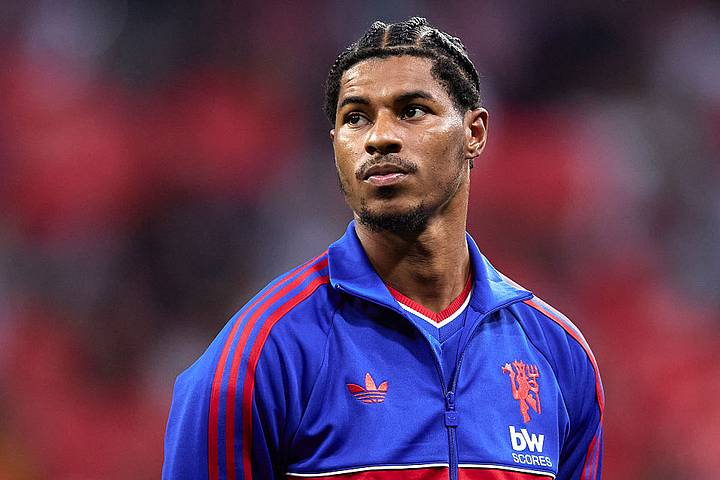
Pochettino’s best Tottenham teams pressed aggressively and attacked ruthlessly in transition. Their Premier League numbers between 2015 and 2018 illustrate the intensity United may eventually aspire to.
- High turnovers
- 801
- Fourth in the league
- Fast breaks
- 53
- Second in the league
- Passes per defensive action
- 9.0
- Second in the league
PPDA measures pressing intensity, but this United squad is not yet equipped to reproduce that approach. Pochettino will need to adapt before he can reshape the team in the image of his Tottenham side.
At Anfield, the more practical option could be to absorb pressure in a 4-4-2 mid block and attack the space Liverpool leave behind. United must still avoid being physically overwhelmed, but committing to an ambitious high press could expose their limitations.
Andoni Iraola’s Liverpool are vulnerable when possession changes hands. According to Opta, they have conceded two fast-break goals this season, with only Ipswich Town and Crystal Palace conceding more.
“We need to be protagonists and always press high”
A more restrained setup would depart from that philosophy, but could allow Bruno Fernandes to release United’s forwards against opponents eager to commit players upfield.
Bryan Mbeumo is well suited to transition attacks, while Rashford’s possible return from injury would add another runner. There is speed and attacking intelligence available if Pochettino can create the right conditions to use it.
4. Keep the formation flexible
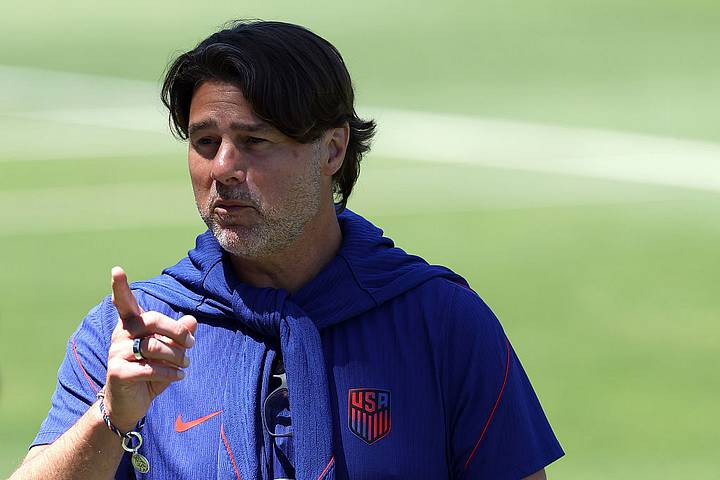
The 4-2-3-1 has generally been Pochettino’s preferred formation. At Tottenham, the three attackers behind Harry Kane operated close together, combining between the lines and supporting the counterpress while Kyle Walker and Danny Rose supplied width from fullback.
United do not currently have the personnel to replicate that arrangement at Anfield. Pochettino has already shown a willingness to evolve at Chelsea and with the USMNT, including using inverted fullbacks, and a more substantial adjustment could be useful here.
A back three is one possibility. He has used it successfully with Tottenham and the United States, and United’s available center backs and difficulties at fullback give the idea some logic.
Without Carlos Baleba, midfield mobility is a major concern. An extra defender stepping out could help, but would not remove the underlying problem.
A deeper block therefore has a strong practical appeal. Mainoo and Youri Tielemans still leave defensive questions, and asking them to sustain an aggressive press high up the pitch risks United being overrun. At Anfield, Pochettino’s first formation may need to reflect those limitations.